 輕鬆聽大師
俞國定導讀



從顧客需求出發
企業必須了解客戶真正的需求及背後的影響因素,才能找出隱藏的商機,進而規畫產品與服務、新的目標市場、擬定品牌屬性或廣告主題,讓產品與服務成功上市。
| 需求導向的創新 |
企業在經營上的傳統起點通常可以歸結為:「找出需求,再研發能滿足需求的產品或服務。」話雖不錯,但是當目標顧客甚至不清楚自己的需求是什麼,也不知道如何表達自己的需求時,那又該怎麼做?換句話說,當整個產品類別根本還不存在的時候,你又該怎麼評量需求?
有鑑於此,要想出可能一直埋在隱藏機會中的創新產品,比較理想的方式是提出以下幾種問題:
■目標顧客在每天的工作與生活當中,真正想達成的是什麼?
■在目標顧客每天的待辦事項中,有哪幾種是經常出現的?
■目標顧客每天最主要的優先事項是什麼?
■他們必須完成上述優先事項的背景因素,舉凡物質面、社交面,和文化面的因素各是什麼?
提出上述問題的目的,是要讓自己深入體驗顧客的日常生活經驗,這麼做,便能找出創新的3大構件:顧客的目的或期望、顧客從事的活動,以及顧客的優先考量。只要了解顧客的目的、活動和優先考量,便能對顧客實際的需求和困擾有較清晰的認識。
| 順著需求做銷售 |
乍看之下,你可能會認為士力架(Snickers)和星河(Milky Way)爭奪的是相同一群顧客,但這可不一定正確。
是什麼原因促使人們購買士力架巧克力棒而不是星河巧克力棒呢?事實證明,人們買士力架是因為他們能量耗盡;他們需要補充能量。他們的腸胃在咆哮,而士力架感覺就像食物──牛軋糖、焦糖和花生形成一個球,很硬。士力架根本不與星河競爭,它是與三明治、紅牛和一杯咖啡競爭。然而,星河滑下你的喉嚨,讓你嘴裡布滿巧克力和腦內啡。它是個糖果棒。人們通常在情緒波動後──無論好或壞──自己一個人吃星河,它可以讓他們覺得好過一點,或作為獎勵。星河的競爭對手是冰淇淋、布朗尼蛋糕或一杯葡萄酒。
士力架了解這個情況後,他們便轉為順著需求做銷售。士力架推出了一支廣告,畫面中一群男性與貝蒂.懷特(黄金女郎)踢足球。貝蒂踢得很辛苦,每個人都對她大喊大叫。然後有人遞給她一條士力架巧克力棒,她咬了一口然後變回職業足球員。「當你飢餓時,你就不像你了,」旁白說道:「士力架滿足你!」
這支廣告讓士力架在不到10年的時間內賺進超過35億美元。這是順著需求做銷售很好的例子。當士力架把產品從與星河競爭(供應方銷售)轉變為解決顧客困境的方法 (順著需求做銷售),他們便透過幫助人們取得進展,為產品創造了拉力。
| 與顧客交談,發現未被滿足的需求 |
當我們與顧客交談時,不是只為了尋找支持我們構想的證據,而是要對我們的構想進行嚴格的檢驗。我們必須利用與顧客的對話來質疑我們的構想(或假設),進行真正的檢驗。像偵探一樣,尋找能支持或質疑我們構想的線索,這樣做才能確保我們的構想是有效的。
顧客探索訪談對於驗證新產品構想是否符合顧客需求極為重要。這個步驟是透過直接接觸潛在使用者,將初步猜測轉化為事實。這些訪談有助於收集回饋,並深入了解顧客的痛點、現有解決方案的問題,以及對新產品的期望。
訪談的目標是創造一個能引發目標市場共鳴的產品。價值創業家必須謹慎選擇參與探索訪談的對象,聚焦在能代表市場並對產品所能解決問題有深入了解的人。
制定有效的訪談問題是關鍵重點。問題應該探討顧客的難題、現有的解決方案,以及對改進的期望,還應避免引導他們給出特定答案。讓受訪者自由表達才能獲得真實見解,這點非常重要。
訪談結束後,應該分析數據以找出模式並評估產品的市場契合度。這些洞見有助於改進產品,並揭示其在競爭中的表現如何。
一些理想的訪談問題
• 你能跟我談談這個問題嗎?
• 你過去是如何處理這個問題的?
• 要是有更好的解決方案,你希望那會是怎樣的?
• 還有哪些公司提供解決方案?
• 它們之間有何區別?
本質上,探索訪談為改進產品開發提供了路線圖,確保價值創業家能夠解決顧客真正的需求,並在投入大量資源之前先驗證構想。一旦訪談揭示可靠的顧客需求假設,你就可以進一步推動這個構想。
| The Demand-driven Innovation |
The traditional starting point for a business is typically summed up as: "Find a need and then develop products or services that meet that need. " That sounds good until you consider what to do when people aren't even aware of their needs and don't know how to express them? In other words, how do you measure demand for an entire product category that does not exist yet?
With that in mind, a better approach to coming up with innovative products that would otherwise remain hidden opportunities is to ask these kinds of questions:
■What are people actually trying to accomplish in their business or personal lives each day?
■What kinds of items typically find their way on to their daily "To Do" lists?
■What are their main priorities each day?
■What is the context within which all of these things need to get done—physical, social and cultural?
The idea here is to immerse yourself in the daily life experiences of your customers. By doing that, you come up with the three main building blocks—their goals or aspirations, the activities they engage in and their respective priorities. Once you understand the customer's goals, activities and priorities, you can then get a clearer picture of their actual needs and frustrations.
| Demand-side Sales |
At first glance, you might assume a Snickers and Milky Way compete for the same customers, but that's not necessarily true.
What motivates someone to buy a Snickers instead of a Milky Way? It turns out that people buy Snickers because they are running out of energy; they need a boost. Their stomach is growling, and Snickers feels like food—the nougat, caramel, and peanuts form a ball, it's hard. Snickers does not compete with Milky Way at all. It competes with a sandwich, Red Bull, and a cup of coffee. Whereas, Milky Way slides down your throat, coating your mouth with chocolate and endorphins. It's a candy bar. People usually eat it alone, after an emotional event, good or bad, and it helps them feel better or acts as a reward. Milky Way competes with ice cream, brownies, and a glass of wine.
Once Snickers understood this dynamic, they changed to demand-side selling. Snickers launched a commercial which showed a group of men playing football with Betty White. Betty is struggling, and everyone is yelling at her. Then someone hands her a Snickers bar, she takes a bite, and transforms back into a pro football player. "You're not YOU when you're hungry," the narrator says. "Snickers satisfies!"
This ad took Snickers to over $3.5 billion in less than ten years. And it's a perfect example of demand-side sales. When Snickers reframed their product from competing with Milky Way—supply-side selling—to solving the customer' s struggling moment—demand-side selling—they created pull for their product by helping people make progress.
| Talk to customers, discover their unmet needs |
When we're talking to our customers, it's not just about hunting for things that back up our ideas. It's also about giving our ideas a tough test. We need to use our talks with customers to question our ideas (or hypotheses) and really check them. It's like being a detective, hunting for clues that either support or question our ideas. This is how we make sure our ideas are valid.
Customer discovery interviews are crucial for validating whether any new product idea fits customers' needs. This step is about transforming initial guesses into facts by directly engaging with potential users. These interviews help gather feedback and insights into customer pain points, problems with existing solutions, and expectations for new products.
The goal is to create a product that resonates with the target market. Valuepreneurs must choose discovery interview participants carefully, focusing on people representative of the market and knowledgeable about the problem the product addresses.
Crafting effective interview questions is key. Questions should explore the customer's problems, existing solutions, and expectations for improvements, without leading them toward specific answers. It's essential to let participants speak freely to gain genuine insights.
Post-interview, the data should be analyzed to identify patterns and assess the product's market fit. These insights guide the refinement of the product and reveal how it stands against competitors.
Some good interview questions:
• Can you tell me about the problem?
• How have you dealt with this in the past?
• What would you want in a better solution?
• Which other companies offer solutions?
• What sets them apart from each other?
In essence, discovery interviews provide a roadmap for improving product development, ensuring that the valuepreneur addresses real customer needs, and validating the idea before investing significant resources. Once interviews reveal a solid hypothesis of customer desires, you're then ready to advance the idea further.
推薦書單
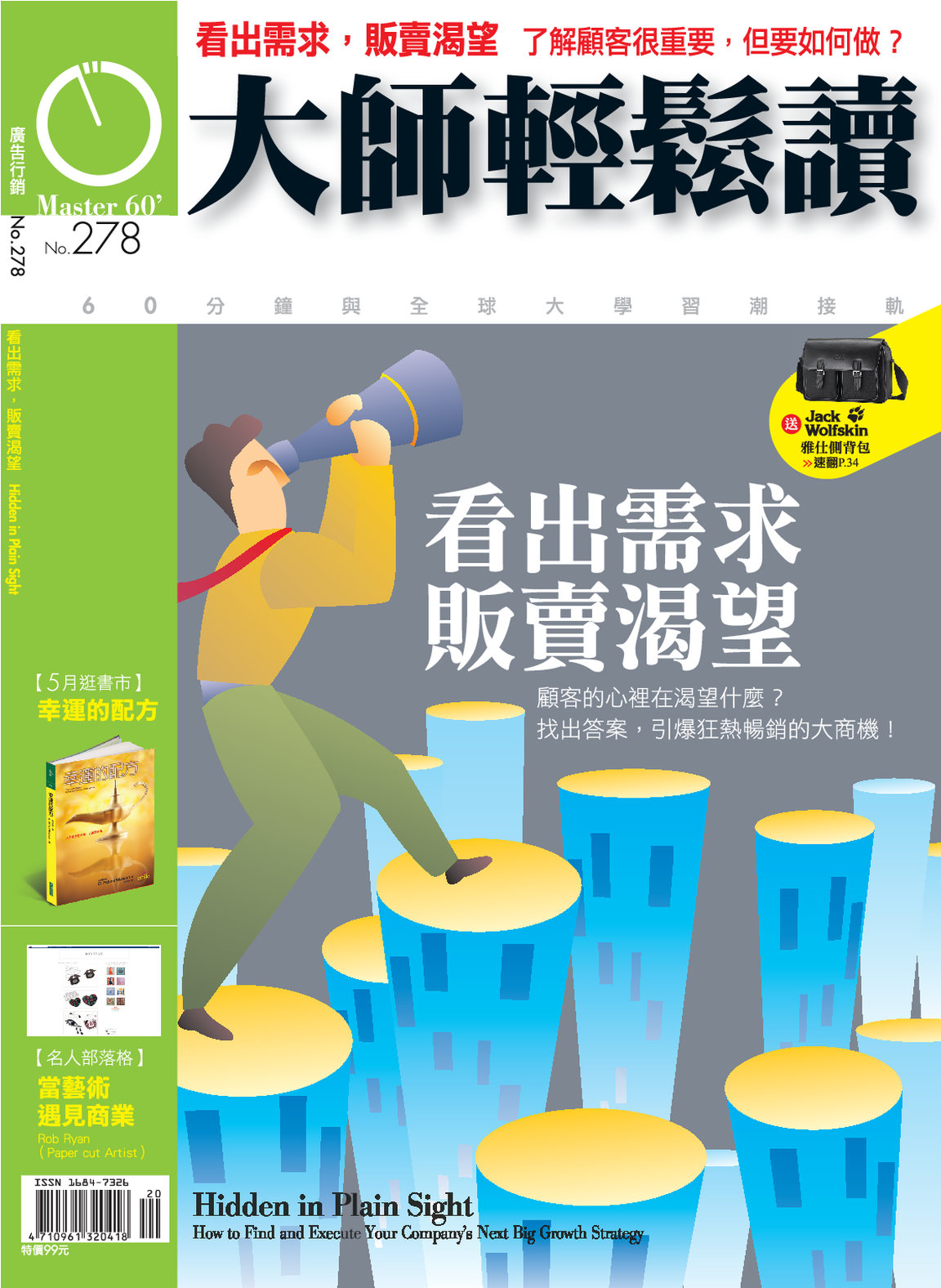
NO.278 看出需求,販賣渴望
Hidden in Plain Sight: How to Find and Execute Your Company's Next Big Growth Strategy
by 艾瑞克.喬幸斯瑟勒(Erich Joachimsthaler)
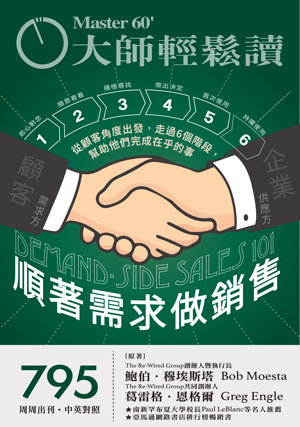
NO.795 順著需求做銷售
Demand-side Sales 101: Stop Selling and Help Your Customers Make Progress
by 鮑伯.穆埃斯塔(Bob Moesta)
NO.994 價值創業家
VALUEPRENEURS: The New Rules for Building Products, Growing Your Business, and Achieving Your Entrepreneurial Dream
by 史蒂夫.瓦德爾(Steve Waddell)


