




讓自己值得信賴
信任是所有關係的基礎,同樣地,信任也是凝聚組織的力量,如水泥將磚塊結合在一起。
| 以行為和決策模式讓大家看得到你誠實無欺 |
如果你一向可靠,大家絕不會質疑你告訴他們的事,自然也會預期你在任何情況下都會據實以告。但這也是個挑戰,因為身為領導者通常會知道一些基層員工不知道的消息,在受到壓力或刺激時,也許必須推托或模糊帶過,這時便會對建立關係造成負面影響。
若要以更開放誠實的態度面對同僚或直屬部屬,可以參考下列作法:
■ 不要害怕說出:「很抱歉,我現在還無法討論這件事。」如此不但可以保持自己的信賴度,同時可以保障別人託付的機密資料。
■ 告訴別人:「我保證會對大家百分之百誠實,但在回應之前我需要一點時間想一想。」
■ 即使有些事實會讓人難以承受,仍要讓大家有充分的安全感坦率說出真相。比方說,召集團隊會議,讓不同背景及經驗的人,都可以貢獻自己的想法。
■ 要隨時不厭其煩地讓同僚知道困難議題處理的狀況。換句話說,要填滿資訊的空白,不讓謠言有機可乘。
■ 在適當時機誠實坦率地表達自己看法──這通常代表要在私下批評指教他人。相反地,公開讚美可以獲得最大效果。
■ 說話前要三思。說話技巧也很重要,應該以關懷、直接的態度表達自己的坦誠。與他人互動時要謹慎,技巧拙劣的誠實會讓美意大打折扣,所以要用關懷之心說實話。
■ 給予同事錯誤的讚美,不如直言善意的真話。真誠地說:「我喜歡你報告時的開場方式」,對方的感激會遠勝於聽到你圓滑地說:「你的推銷術『超讚』。」
| 說到要做到 |
言出必行之所以那麼重要的真正原因,在於你的行為會增強或削弱別人對你的信任程度。我們或許會根據動機來評判自己,但別人在評判我們的時候,通常是根據我們的行為。當我們所做的事符合我們所說的話的時,事情就完美了,人們會更信任我們。
要提高別人對我們的信任程度,你必須:
■ 有話直說──有什麼就說什麼。如果你能用簡單的語言讓別人了解狀況,你就能展現出你的誠信。
■ 營造透明開放的氣氛──亦即你要用別人能自行求證的方式陳述事實,營造出公開、可靠的氛圍。人們喜歡「眼見為憑」的感覺。
■ 表明你的期望──開誠布公、詳加討論、確認目標,然後讓事情成真。千萬不要假設所有人的預期都會一樣,請清楚說明你希望完成什麼事。
■ 遵守你的承諾──這是一種美德。如果因為某種理由你無法遵守你的承諾,請好好溝通或重新進行協商。
如果你能夠持之以恆地在一段期間內,都做到言出必行,你最終將會贏過你的對手。這是一種非常好的競爭優勢。
| 鼓勵說實話 |
領導者經常發現自己因為員工不願分享壞消息或不同看法,而無法得知真相。一名鮑爾論壇的參與者分享,他在成為CEO後,發現很難獲得未經過濾的回饋意見,感覺自己與能讓他腳踏實地的坦誠對話漸行漸遠。另一位資深CEO建議他營造一種歡迎不同意見的文化,鼓勵團隊公開挑戰他。這種做法起初並不容易,但很快就建立起信任,使他的團隊成為提供真實見解的重要來源,最終幫助他避免了代價高昂的盲點。
對於領導者而言,鼓勵說實話不僅僅是制定開放政策那麼簡單。建立跨部門、跨層級的非正式「說實話」網絡,有助於揭示隱藏的問題,並加強與組織目標的一致性。打造「建設性異議」的文化是關鍵所在。透過將衝突定位為建設性的辯論,領導者可以利用多元觀點來提升決策品質並推動創意發展。
以激勵代替指揮的領導者,能夠營造出一種心理安全的環境,鼓勵異議並獎勵誠實。為了維持這種說實話的文化,領導者必須敏銳地察覺自己對團隊氛圍的影響。天寶導航CEO羅伯.潘特曾有一次慘痛的教訓,他的一句無心的評論,導致團隊不敢再分享壞消息,他意識到自己的錯誤後,主動道歉,重建信任,並重申公司重視透明性。這個做法不僅修復了關係,也讓他更加意識到自己言語的分量。
最優秀的領導者會從組織的各個角落尋求真相,培養建設性異議的文化,並鼓勵開放溝通。這種透明性使團隊能夠坦誠面對失敗並向前邁進,創造出一種植根於信任和共同目的的韌性文化。
| Visibly demonstrate through your actions and decisions you are unerringly honest |
If you're credible, people will never question what you tell them. They will naturally and automatically anticipate that you'll tell them the true facts in any and all situations. This is a challenge because often, you as a leader will be aware of information the rank-and-file employees don't know about. If pressed or prodded, you may need to be evasive or vague which is not good for building relationships.
To come across as more open and honest with your co-workers or direct reports:
■ Don't be afraid to say: "I'm sorry, but I just can't discuss that right now. " That maintains your credibility whilst protecting the confidential information you are entrusted with.
■ Tell people: "I am committed to being totally honest with you. I need some time to think about this before I can respond. "
■ Make it safe for others to tell the blunt truth, even if it hurts. For example, hold a team meeting, and allow everyone to put in their two cents worth, regardless of their background or level of experience.
■ Be consistent and diligent in keeping your co-workers informed about how difficult issues are being handled. In other words, fill in the blanks before the rumor mill has an opportunity to do it for you.
■ Speak honestly and candidly when the timing is right – which usually means delivering criticism in private rather than in public settings. Praise, on the other hand, has the greatest impact when delivered in front of others.
■ Think before you speak. Tact is important. You want to be honest in a caring yet direct way. Be mindful as you interact with others. Honesty without tact can put a strain on your good intentions, so tell the truth with care.
■ Instead of giving false praise, speak kind truths to your co-workers. A sincere "I liked the way you opened your presentation" will be far more appreciated than a glib "That was a totally awesome pitch you gave."
The real reason why doing what you say you're going to do is so important is because behavior increases or destroys trust. We may judge ourselves by our intentions but other people will generally judge us by our actions. When what we do aligns with what we say, the loop is closed and trust is enhanced.
Trust always increases when you
■ Talk straight – tell it like it is. If you let others know where they stand in simple language, you demonstrate integrity.
■ Create an atmosphere of transparency – that is, you tell the truth in ways people can verify for themselves. Be open and authentic. People love it when you project an aura of” what you see is what you get."
■ Clarify your expectations – disclose, discuss, validate and then deliver. Never assume everyone has the same expectations so articulate what you're looking to do
■ Keep your commitments – this is a symbol of honor. If you can't do what you intended for some reason, communicate or renegotiate.
If you do what you say you're going to do consistently over an extended period of time, you will end up out behaving your competition. This is a great competitive edge to have.
| Encourage truth telling |
Leaders often find themselves isolated from the truth, with people reluctant to share bad news or dissenting views. A Bower Forum participant shared how, after becoming CEO, he struggled to access unfiltered feedback, feeling distanced from frank conversations that kept him grounded. Another veteran CEO advised him to create a culture that welcomes dissent, urging his team to challenge him openly. Initially challenging, this approach soon fostered trust, turning his team into a source of unvarnished insights, ultimately preventing costly blind spots.
For leaders, encouraging truth-telling goes beyond setting an open-door policy. Developing informal networks of "truth tellers" across different functions and levels helps surface hidden issues and strengthens alignment with organizational goals. Building a culture of "contributory dissent" is key. By framing conflict as constructive debate, leaders can leverage diverse perspectives to enhance decision-making and drive creativity.感
Leaders who inspire rather than direct cultivate an environment of psychological safety, inviting dissent and rewarding honesty. To sustain this truth-telling culture, leaders must be sensitive to their influence on team dynamics. Rob Painter, CEO of Trimble, learned the hard way after an offhand comment discouraged his team from sharing bad news. Realizing his error, he apologized, rebuilding trust and reaffirming that transparency was valued. This practice not only mended relationships but also heightened his awareness of the weight his words carried.
The best leaders seek truth from every corner of their organizations, foster constructive dissent, and encourage openness. This transparency enables teams to address failures honestly and bounce forward, creating a resilient culture rooted in trust and shared purpose.
推薦書單|Recommendations
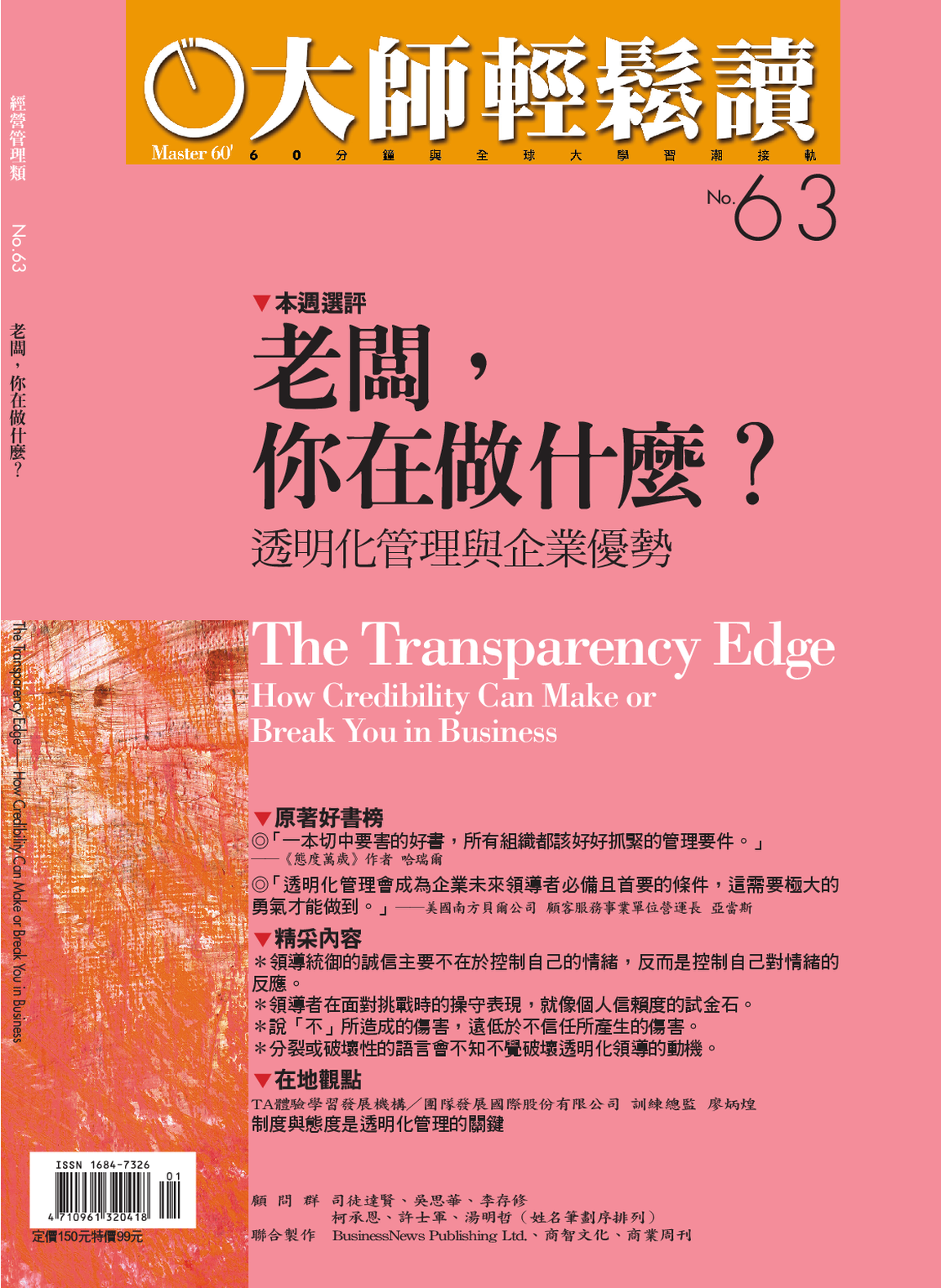
NO.63 老闆,你在做什麼?
The Transparency Edge: How Credibility Can Make or Break You in Business
by 芭芭拉.帕佳諾(Barbara Pagano)、伊麗莎白.帕佳諾(Elizabeth Pagano)
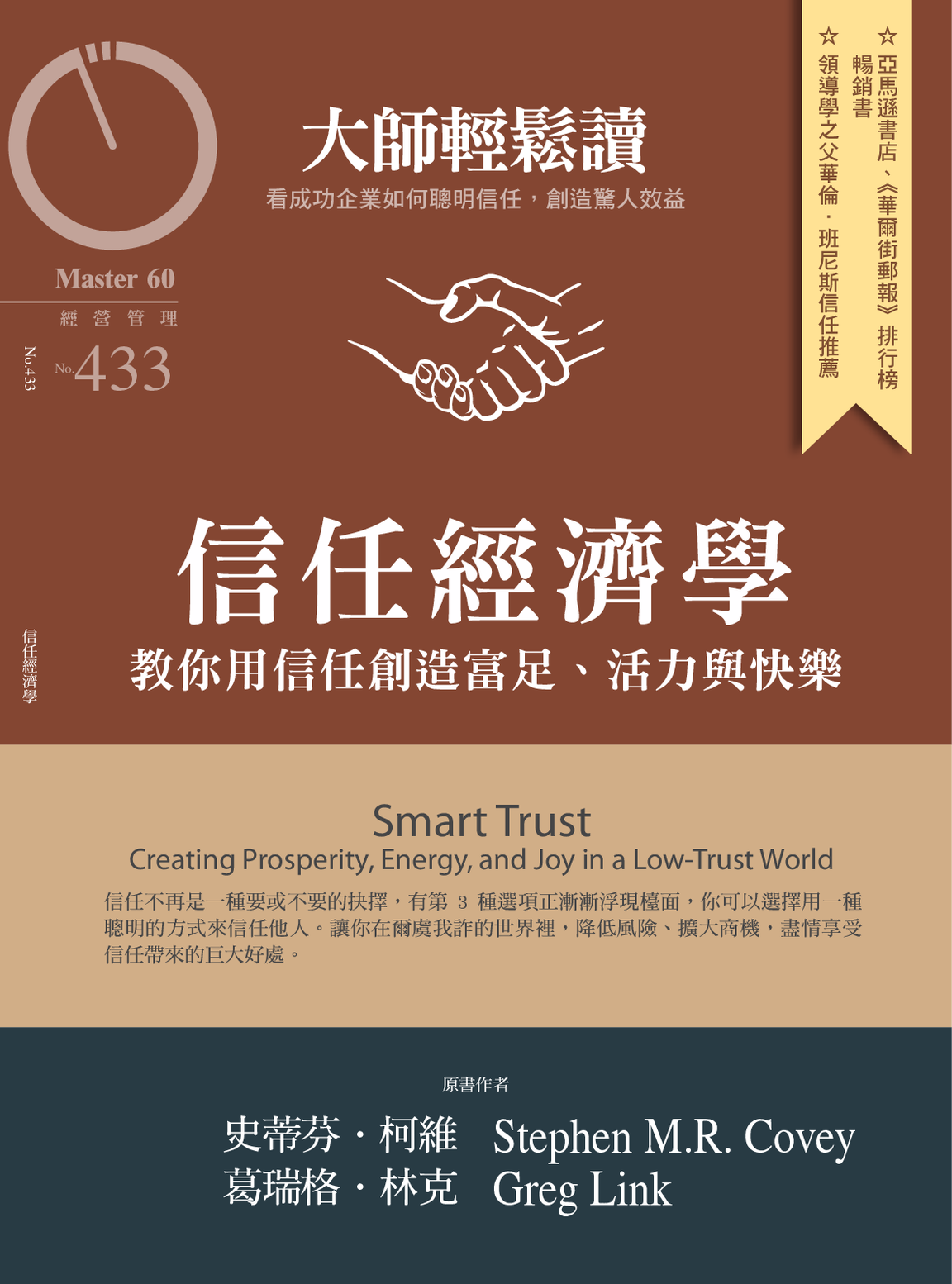
NO.433 信任經濟學
Smart Trust: Creating Prosperity, Energy, and Joy in a Low-Trust World
by 小史蒂芬.M.R.柯維(Stephen M.R. Covey)、葛瑞格.林克(Greg Link)
NO.999 領導的12項修練
The Journey of Leadership: How CEOs Learn to Lead from the Inside Out
by 達娜.梅諾(Dana Manor)、漢斯-華納.卡斯(Hans-Warner Kaas)等4人


